
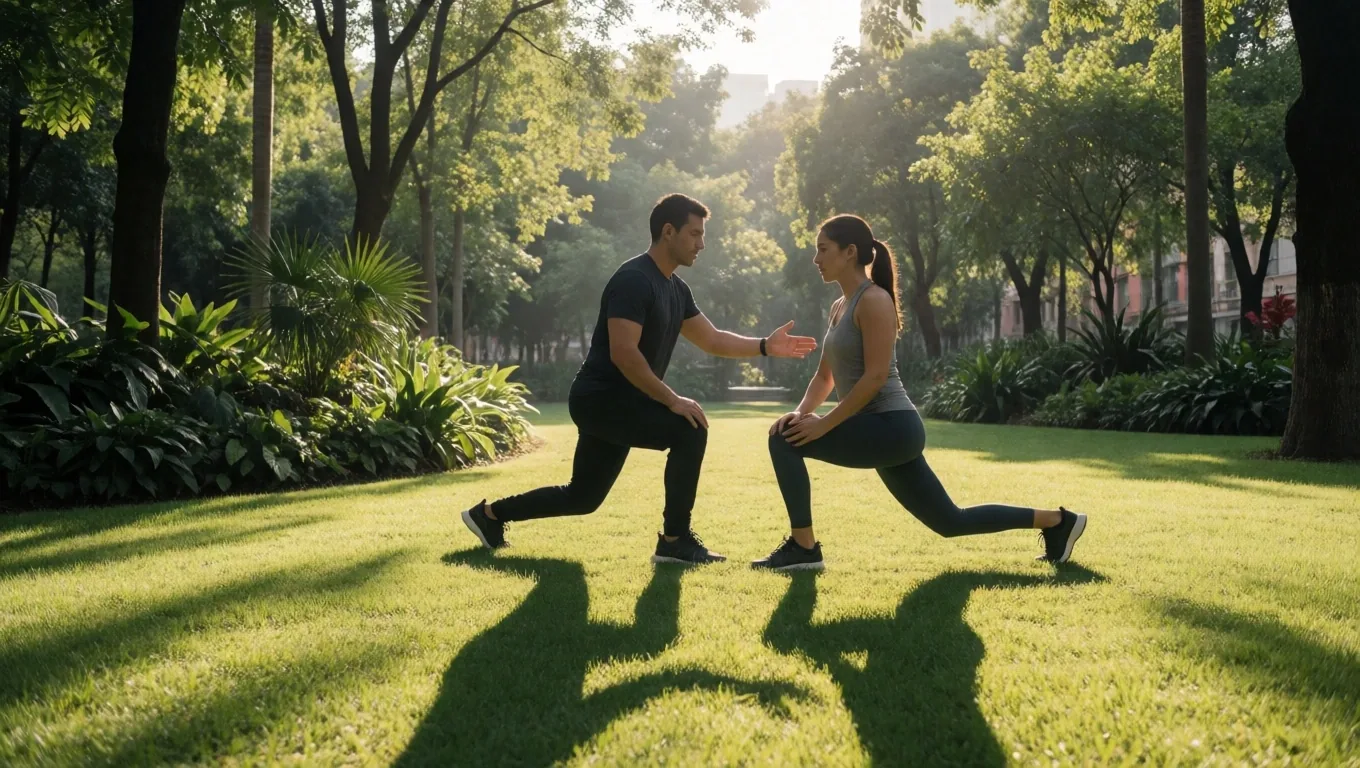
Nutrition Vital Core nace con el objetivo de proporcionar claridad en el mundo del ejercicio físico. Navegar entre tantas rutinas y consejos de entrenamiento personal puede ser abrumador, por lo que aquí nos centramos en ofrecer información práctica y directa.
Tu recurso central para el entrenamiento personal y hábitos de vida activa en México
El valor de un estilo de vida saludable
Mantener un cuerpo activo no se trata de cambios drásticos de la noche a la mañana, sino de la acumulación de pequeñas decisiones diarias. Los consejos para un estilo de vida saludable que compartimos se basan en la integración del movimiento natural y el ejercicio estructurado dentro de tu agenda cotidiana.
Entendemos las dinámicas de la vida en México, donde el tiempo es valioso, y por ello priorizamos métodos que se adapten a tu realidad sin promesas vacías. Se trata de construir un marco de ejercicio y bienestar que sostenga tu energía y tu movilidad año tras año, no de perseguir una meta estética y luego abandonar.
Guía de fitness para principiantes
Si nunca has pisado un gimnasio o si has estado ausente por mucho tiempo, nuestra guía de fitness para principiantes es el punto de partida ideal. Explicamos cómo empezar sin riesgo de saturación, enfocándonos en la movilidad y la técnica básica.
No necesitas equipo complejo para comenzar a moverte; el enfoque inicial siempre debe ser la consistencia sobre la intensidad. Construimos una base sólida primero —postura, respiración, rango de movimiento— y sobre esa base vas apilando esfuerzos cuando tu cuerpo esté listo para ellos. Empezar con calma no es una阶段性, es la decisión más inteligente que puedes tomar.
Abre la guía completa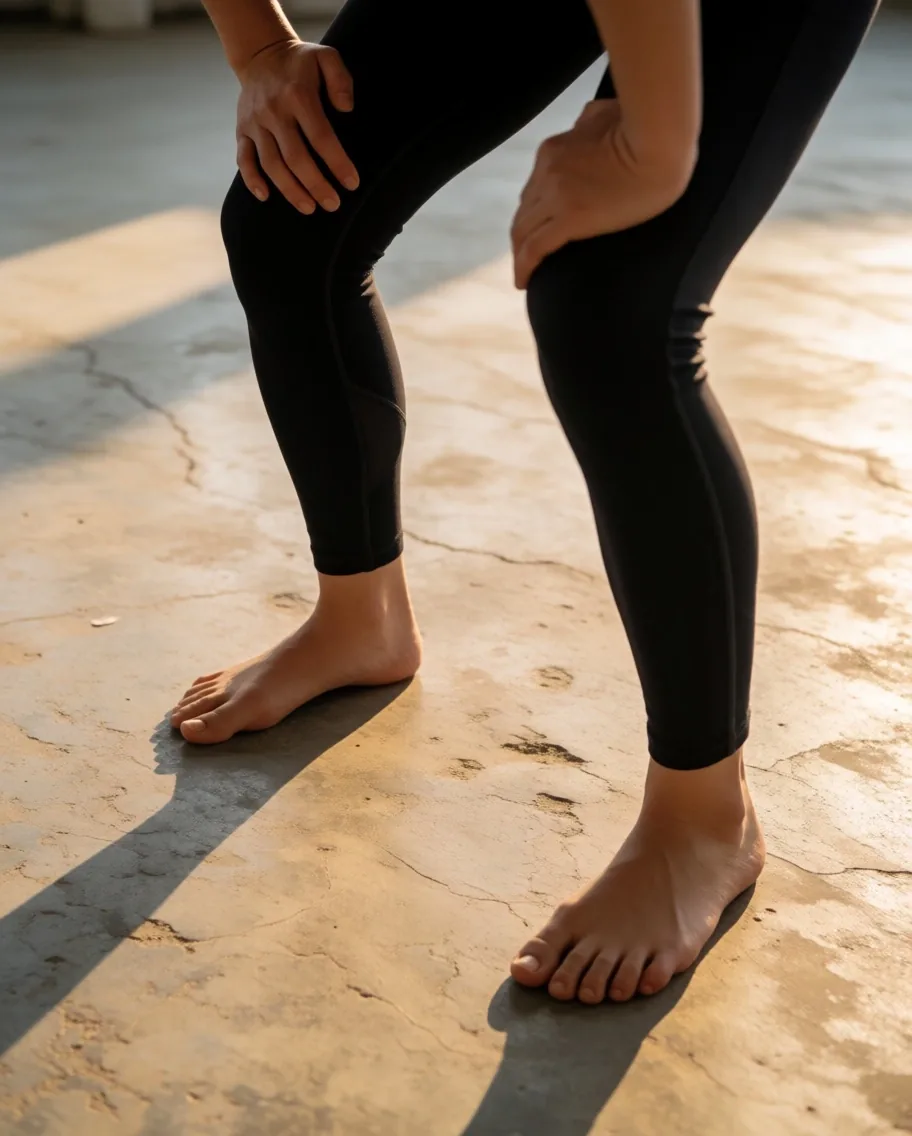
Rutina diaria de ejercicios y constancia
La clave del éxito en cualquier actividad física es la rutina diaria de ejercicios. No sirve de nada entrenar tres horas un lunes si no volverás a moverte hasta el próximo mes. Discutimos estrategias sobre cómo organizar tu semana para que el ejercicio sea una parte no negociable de tu día, similar a cualquier otra cita importante de trabajo o familia.
Treinta minutos bien planteados, repetidos de lunes a viernes, construyen más capacidad funcional que una sesión agotadora y esporádica. Los consejos para mantener la constancia en el entrenamiento que encontrarás aquí se apoyan en esa lógica: reservar el mismo bloque de tiempo, preparar la ropa la noche anterior, y registrar lo que haces para ver el progreso acumulado.
Entrenamiento de fuerza y sus conceptos básicos
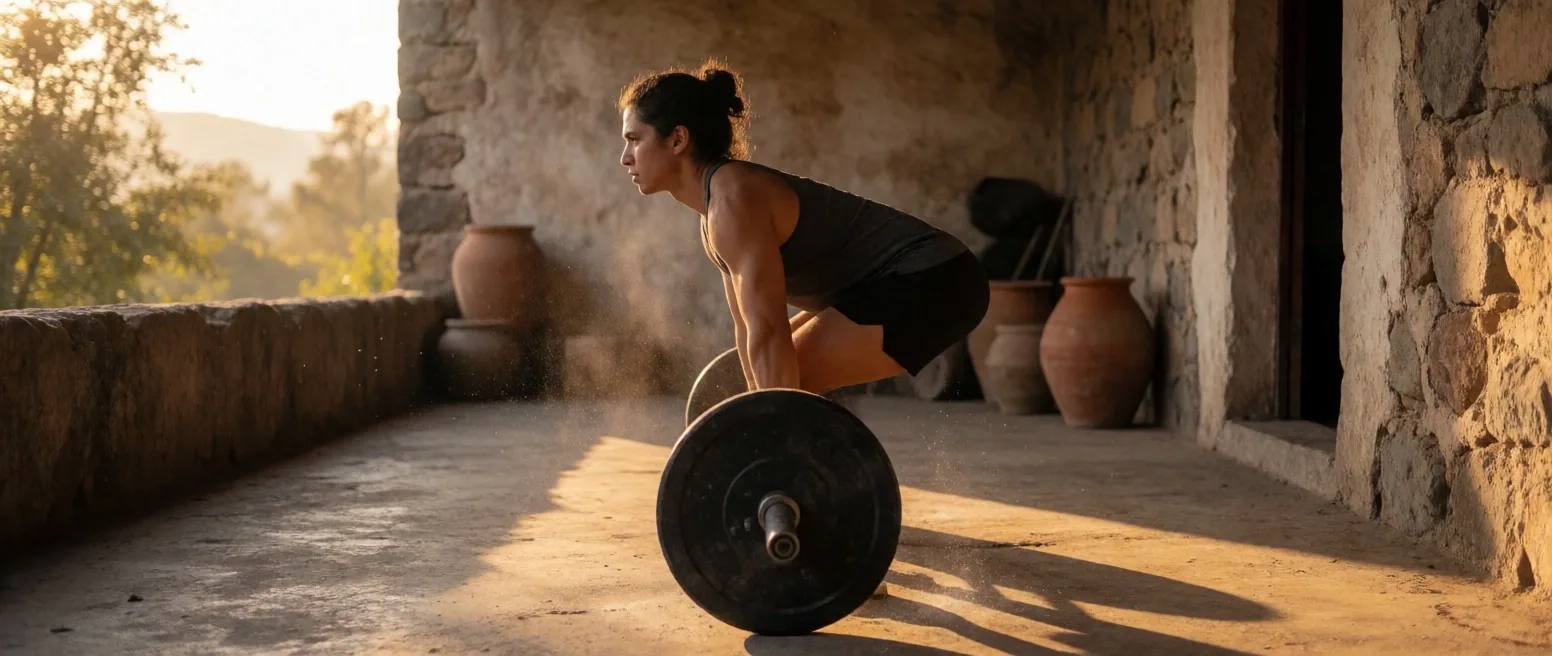
El entrenamiento de fuerza es a menudo malentendido como algo exclusivo para fisicoculturistas, pero los conceptos básicos del entrenamiento de fuerza son fundamentales para cualquier persona. Hablamos sobre cómo la resistencia física ayuda a mantener la postura y la funcionalidad del cuerpo a largo plazo. Aprenderás por qué levantar peso, de forma controlada y técnica, es una inversión en tu bienestar futuro.
Alineación antes que carga
El primer paso es dominar el movimiento sin peso. Una vez que tu cuerpo sabe qué hacer, añadimos resistencia progresivamente, no al revés.
Movimiento completo
Recorrer el rango articular disponible, no acortarlo para levantar más, es lo que mantiene las articulaciones sanas y los músculos trabajando de verdad.
Sobrecarga gradual
Sumar repeticiones o kilos en pequeños saltos, semana tras semana, es lo que genera adaptación real. Los saltos grandes solo generan agujetas y pausas forzadas.
Descanso como parte del plan
El músculo no crece durante la serie, sino después. Programar días de descanso activo y dormir bien es parte del entrenamiento, no una pausa fuera de él.
Ejercicios para hacer en casa sin complicaciones
Para quienes no pueden trasladarse a un centro deportivo, los ejercicios para hacer en casa representan la solución más eficiente. Detallamos cómo utilizar el propio peso corporal para generar resistencia y mejorar la agilidad.
Estas rutinas están diseñadas para espacios reducidos, asegurando que el entorno no sea una limitante para cumplir con tus objetivos de movimiento. Una sala de estar, un balcony o un espacio de dos metros por dos son suficientes cuando la estructura del ejercicio está bien planteada.
Rutinas en casa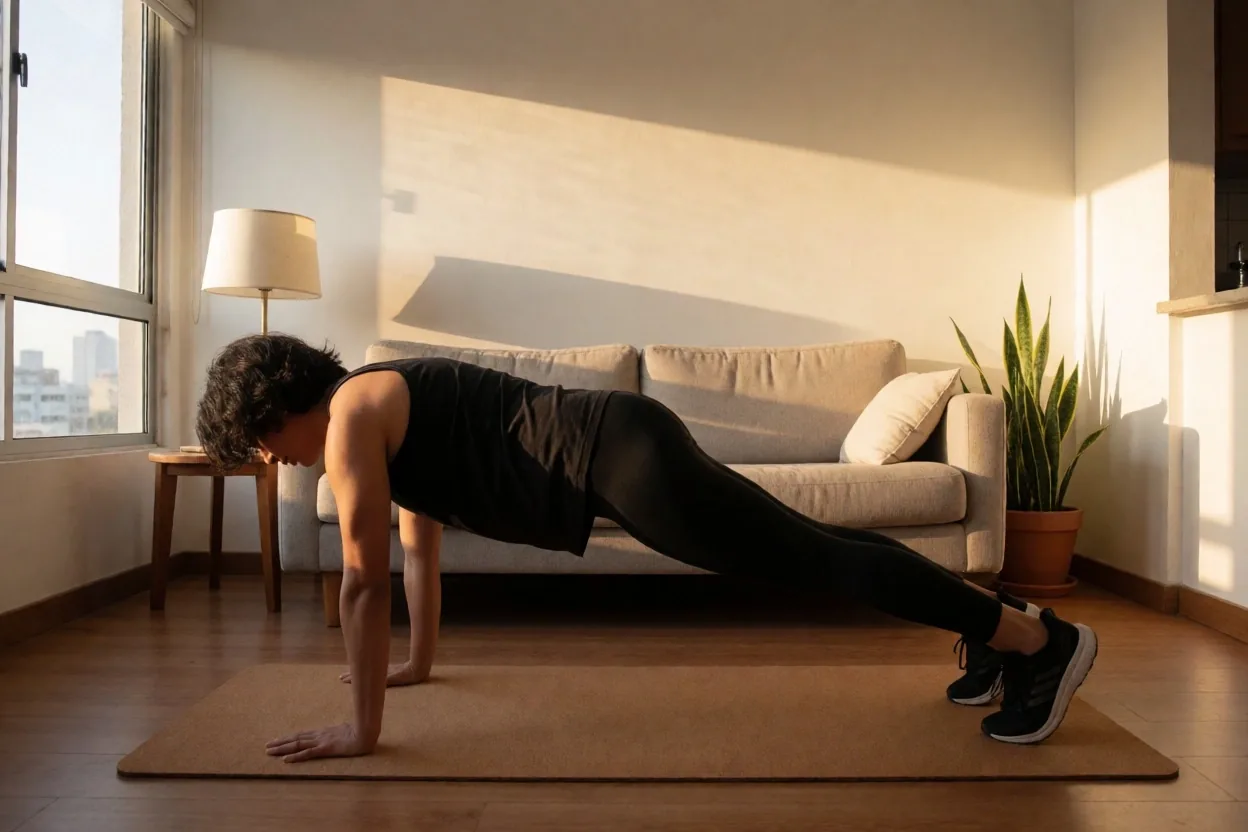
2 × 2 metros
Peso corporal
25–40 min
Motivación y psicología del entrenamiento
A menudo, el obstáculo más grande no es el ejercicio en sí, sino la mente. Ofrecemos consejos para motivarse a hacer ejercicio en esos días donde la energía parece escasear. La motivación es un impulso inicial, pero la disciplina y la creación de un entorno favorable son los que mantienen el motor encendido a largo plazo.
Preparar la ropa la noche anterior, entrenar a la misma hora y registrar cada sesión en una libreta o en el teléfono son pequeños gestos que reducen la fricción mental. Cuando el ejercicio ya es una costumbre, la motivación deja de ser necesaria — y eso es exactamente el objetivo.
Planes de entrenamiento en el gimnasio
Para quienes prefieren el ambiente de un club deportivo, estructuramos planes de entrenamiento en el gimnasio que maximizan el uso de las máquinas y pesos libres. Saber exactamente qué hacer al llegar al gimnasio evita la pérdida de tiempo y reduce la ansiedad que sienten muchos principiantes al entrar en la zona de pesas.
Un buen plan distribuye los grupos musculares a lo largo de la semana, alterna días de carga con días de recuperación activa, y deja por escrito qué ejercicios, series y repeticiones tocan en cada sesión. Llegar, ejecutar y marcharse — sin improvisar.
Servicios de Entrenamiento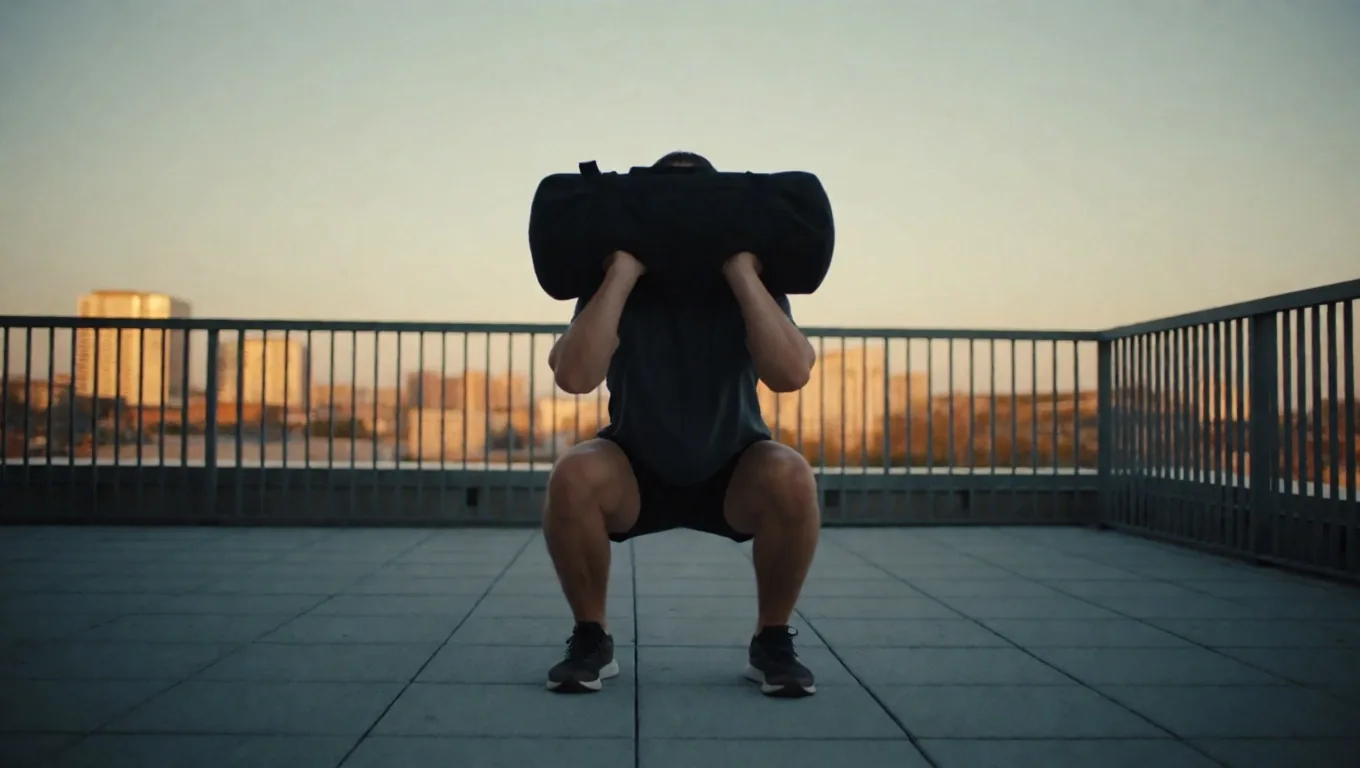
El rol del entrenamiento funcional
El entrenamiento funcional se centra en movimientos que imitan actividades de la vida real. Desde agacharse correctamente hasta cargar objetos, estos ejercicios de entrenamiento funcional mejoran la coordinación y la fuerza útil.
Es una metodología excelente para quienes buscan agilidad y una mejor respuesta física en sus tareas cotidianas. Cargar bolsas del mercado, subir escaleras con control o levantar a un hijo del suelo son acciones que el cuerpo debería ejecutar sin dudar — y el entrenamiento funcional prepara exactamente eso.
La importancia del fortalecimiento del tronco
El núcleo o "core" es el centro de poder del cuerpo. Los ejercicios para fortalecer el tronco no son solo por estética, sino por estabilidad espinal. Un tronco fuerte permite que los movimientos de las extremidades sean más potentes y seguros, protegiendo la zona lumbar durante las cargas de trabajo más pesadas.
Planchas, dead bugs, pallof press y carry con un solo brazo son ejercicios que entrenan el tronco como estabilizador, que es su papel real durante cualquier actividad. Trabajar el core en posición estática es solo la mitad del trabajo.
Técnica de entrenamiento y prevención de errores
Una mala ejecución puede detener tu progreso. Nos enfocamos en consejos sobre técnicas de entrenamiento que priorizan la alineación corporal y el rango de movimiento adecuado. Observar los detalles en la ejecución de una sentadilla o una flexión marca la diferencia entre un avance constante y una pausa obligatoria por molestias físicas.
Flexibilidad y movilidad articular
No todo es fuerza bruta; la capacidad de movimiento es vital. Incluimos consejos para el entrenamiento de flexibilidad que ayudan a mantener los músculos elásticos y las articulaciones lubricadas. Una rutina de ejercicios de movilidad al final del día puede ser el factor diferencial para despertar con menos rigidez.
Trabajamos la movilidad de cadera, columna, hombros y tobillos con secuencias breves que no requieren equipo. La diferencia entre moverse con soltura y arrastrar el cuerpo por la mañana se construye en esos diez minutos que nadie quiere hacer — y que tu cuerpo agradece toda la jornada.

Qué encontrarás en Nutrition Vital Core
Guía para principiantes
01Movilidad, técnica básica y cómo empezar sin saturarte. Todo lo que necesitas antes de tocar una pesa.
Ver guíaRutinas en casa
02Ejercicios con peso corporal para espacios reducidos. Diseñados para cumplir tu objetivo sin salir de casa.
Ver rutinasPlanes de gimnasio
03Programas estructurados con máquinas y pesos libres. Llegar, ejecutar y marcharse sin improvisar.
Ver planesRecursos de recuperación
04Movilidad, flexibilidad y consejos para la preparación del entrenamiento. El descanso activo como parte del plan.
Ver recursosTu trayectoria en el fitness
Cada persona tiene un punto de partida diferente. Lo importante es reconocer que tu trayectoria personal en el fitness es única y no debe compararse con la de los demás. En Nutrition Vital Core, estamos para proporcionarte las herramientas informativas necesarias para que tomes el control de tu actividad física con seguridad y conocimiento.
Este blog sobre estilo de vida fitness reúne consejos de coaching de fitness, ideas para rutinas de ejercicio y hábitos saludables de fitness con un enfoque local: entrenamientos pensados para la realidad de México, sin promesas vacías ni lenguaje médico. Aquí hablamos de movimiento, técnica, constancia y disfrute del proceso.
¿Listo para empezar a moverte?
Lunes a Viernes: 9:00 — 18:00
Escríbenos para resolver dudas sobre rutinas, planes de entrenamiento o los recursos disponibles en el blog. Respondemos en horario laboral y te orientamos sin compromiso.